

NEWYou can now listen to Fox News articles!
The New World Screwworm (NWS) recently was found in American cattle and has gone from a threat moving northward to a near and present danger for U.S. livestock producers. The most effective tool against NWS is also one of the simplest: releasing sterile flies that mate with wild screwworms and collapse the population over time. It is a proven strategy, but it requires planning, infrastructure, and international cooperation long before a crisis reaches our border.
As a row crop farmer who has raised cattle and served as the U.S. Ambassador to the United Nations Agencies for Food and Agriculture from 2019-2021, I have seen firsthand how quickly agricultural pests can threaten food systems and rural economies. Given that screwworm is now here, it is more important than ever for experts to be factual about the situation and understand the decisive actions this Administration has taken and will continue to take.
Transboundary animal disease threats can devastate both agriculture and economies. During my time in Rome, the Desert Locust tore through eastern Africa. Working through the U.N. Food and Agriculture Organization, we coordinated an international response, secured funding, and developed long-term containment strategies.
US SHUTS SOUTHERN BORDER TO LIVESTOCK IMPORTS TO STOP SPREAD OF DEADLY FLIES
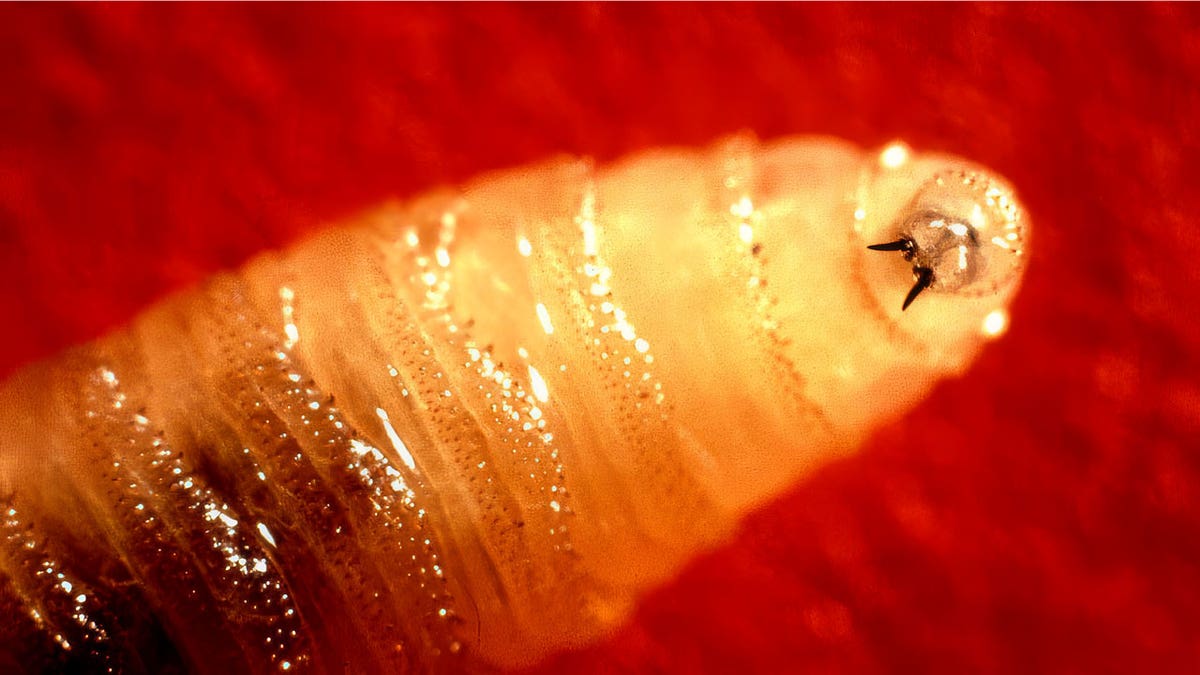
Cochliomyia hominovorax is the primary screwworm fly in the New World. Larvae are obligate parasites of living flesh in humans and other mammals. (USDA)
We fought similar situations with the African Swine Fever in China and Southeast Asia, as well as the Fall Armyworm in Africa. When biosecurity fails at scale, economic devastation, years of recovery, and permanent scars can be left on every community. Protecting food systems and responding to threats requires swift action and coordination between agencies and affected nations.
The New World Screwworm is not a new threat, and it certainly did not catch anyone off-guard. The U.S. Department of Agriculture Secretary Brooke Rollins began the U.S. response to the NWS at the start of her tenure last year. Through decisive leadership, aggressive action, and a science-based response, the Administration and its partners took preemptive actions and kept the NWS out of the United States for more than a year past even the most pessimistic projections. Secretary Rollins has continually invested in the proper tools and technologies that are necessary to protect our farmers, ranchers, and food supply.
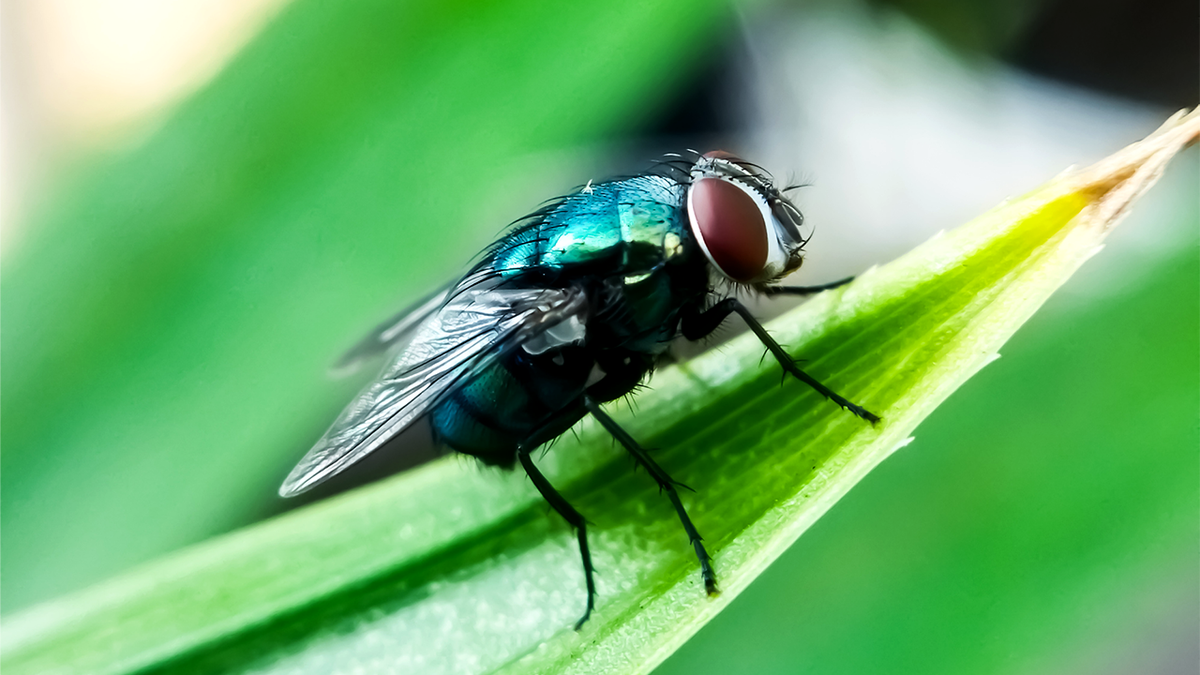
Cochliomyia hominivorax, the New World screwworm fly, or screw-worm for short, is a species of parasitic fly that is well known for the way in which its larvae (maggots) eat the living tissue. (Getty Images)
For example, more than a year ago, on April 26, 2025, Secretary Rollins took action to ensure cooperation between Mexico and the U.S. against the NWS. Working with Mexican officials, Rollins opened operational airspace in Mexico for USDA to release sterile flies, reduced import duties on needed equipment, put in place surveillance practices, and established clear international and domestic communication on the threat. As NWS continued moving northward through Mexico in May, the USDA worked in coordination with Customs and Border Patrol to shut down southern ports of entry to livestock moving from or transiting through Mexico.
CLICK HERE FOR MORE FOX NEWS OPINION
Beyond defensive measures, in the weeks following, the USDA invested in infrastructure in the U.S. and Mexico to increase sterile fly production. This investment is critical because sterile fly releases remain the most effective way to reduce NWS populations. The USDA worked with the state of Texas and Governor Abbot to open an $8.5 million sterile fly dispersal facility in South Texas. Stationed on Moore Air Force Base, the facility will soon release up to 300 million sterile flies per week. In Mexico, the USDA invested another $21 million to improve a sterile fly production site in southern Mexico. With adequate sterile fly production and open aviation lines in Mexico, the USDA set the U.S. in a strong position to slow the spread of NWS.
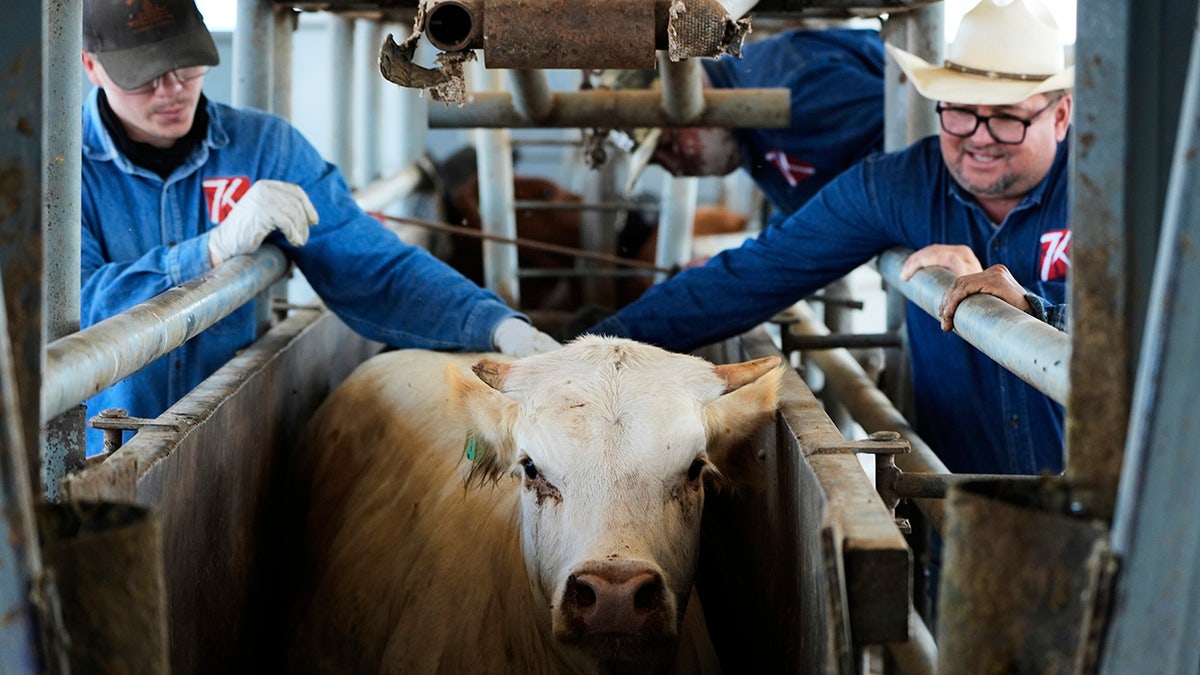
Cowboys push a cow out of its spot to a veterinarian inspection at a ranch that exports livestock to the U.S., in Zamora, northern Mexico, Monday, July 28, 2025. (AP Photo/Fernando Llano) (AP Photo/Fernando Llano)
CLICK HERE TO DOWNLOAD THE FOX NEWS APP
The administration has also ensured that the fight against NWS is fully coordinated between all levels of government. In January 2026, the USDA, along with the Department of Homeland Security, Center for Disease Control, and the Department of the Interior, organized a two-part New World Screwworm simulation addressing modes of spread. The simulation had over 250 attendees representing decision-makers from federal, state, local, and tribal authorities. The administration understands that agreement and mutual action among partners is essential to response efforts when fighting a nationwide threat.
The Trump administration, through USDA and partner agencies, has worked tirelessly and effectively since early 2025 to slow and stop the spread of NWS before it reaches the U.S. It is still too early to know the full scope of this threat, but experts should focus on strengthening proven response efforts rather than advocating untested alternatives. No one was caught-off guard by the arrival of the NWS in the U.S., and the, the administration’s actions have been measured, diligent, and appropriate. The preparations already made and the success in delaying NWS’s arrival demonstrate the lengths President Trump’s administration will go to protect American farmers and agriculture.
CLICK HERE TO READ MORE FROM AMB. KIP TOM