

NEWYou can now listen to Fox News articles!
In 1974, I was a young U.S. Army lieutenant serving under then-Lieutenant Colonel Colin Powell, who commanded my battalion, the 1st Battalion, 32nd Infantry, in South Korea. Years later, as chairman of the Joint Chiefs of Staff, Powell became associated with a doctrine that warned America should not commit military force without a clear political objective, sufficient force, public support and a defined way out. Half a century on, that standard, more than any weapon system, is what has been missing from Washington’s approach to Iran.
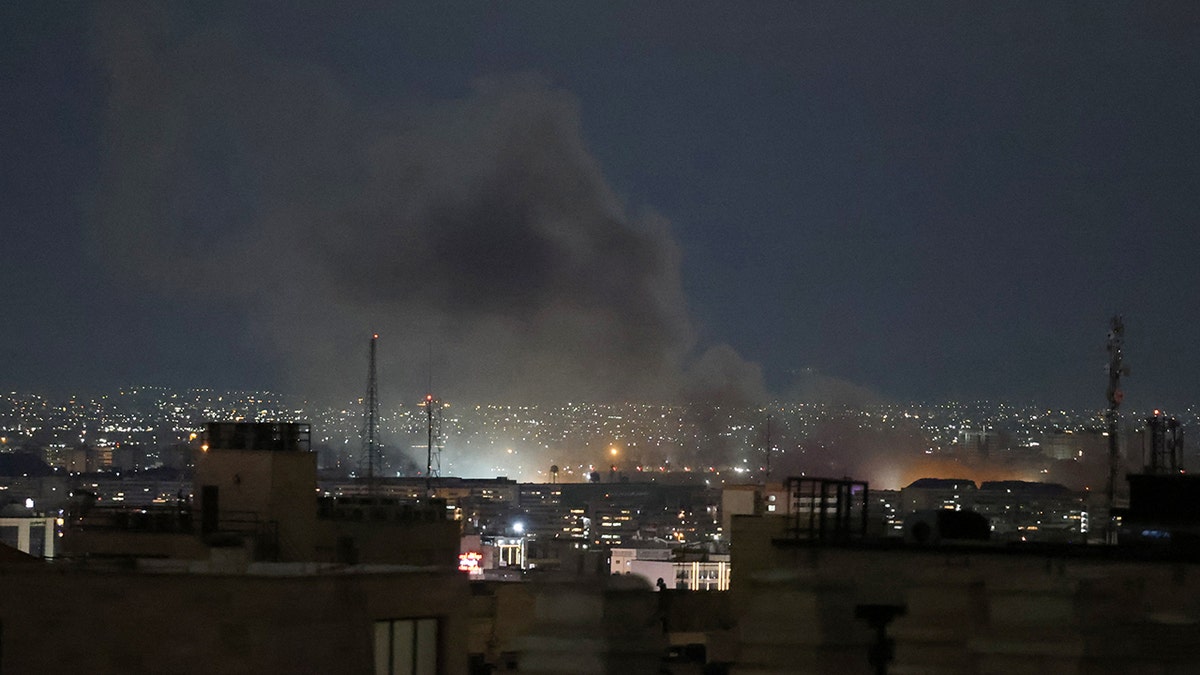
That reality is again being tested in the war with Iran. The ceasefire that ended the spring war was supposed to create space for diplomacy. Instead, American forces are again striking Iranian targets, Iran is again threatening commercial shipping and the Strait of Hormuz is again the world’s most dangerous chokepoint.
A familiar, dangerous pattern
TRUMP SAYS IRAN CEASEFIRE IS ‘OVER’ AFTER IRANIAN ATTACKS TRIGGER MASSIVE US RESPONSE
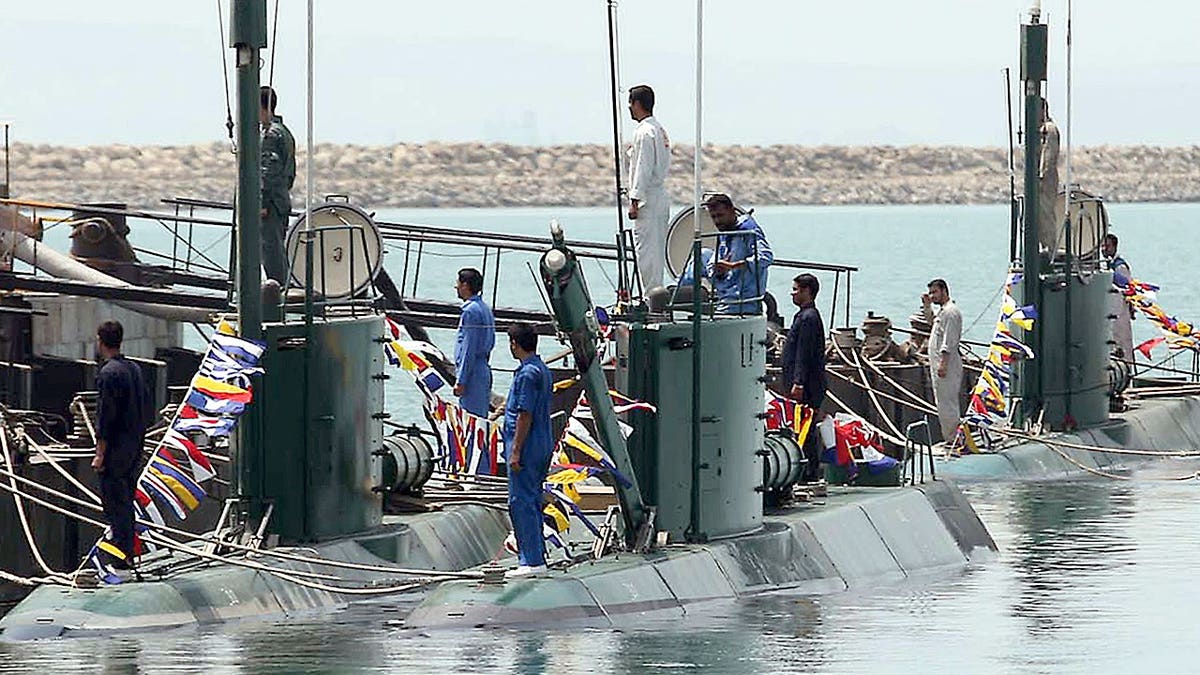
None of that means President Donald Trump was wrong to hit back. No American president can allow Iran to attack commercial vessels, threaten global energy flows or test U.S. resolve without consequence. CENTCOM’s public releases confirm the pattern: after Iranian forces struck commercial vessels in Hormuz, U.S. forces struck back at Iranian air defense systems, coastal radar and naval assets to degrade Tehran’s ability to threaten shipping.
But retaliation is not strategy. The United States is back where it was before the memorandum of understanding took effect: Iran tests Hormuz, America strikes back, Tehran absorbs the punishment and the nuclear question remains unresolved.
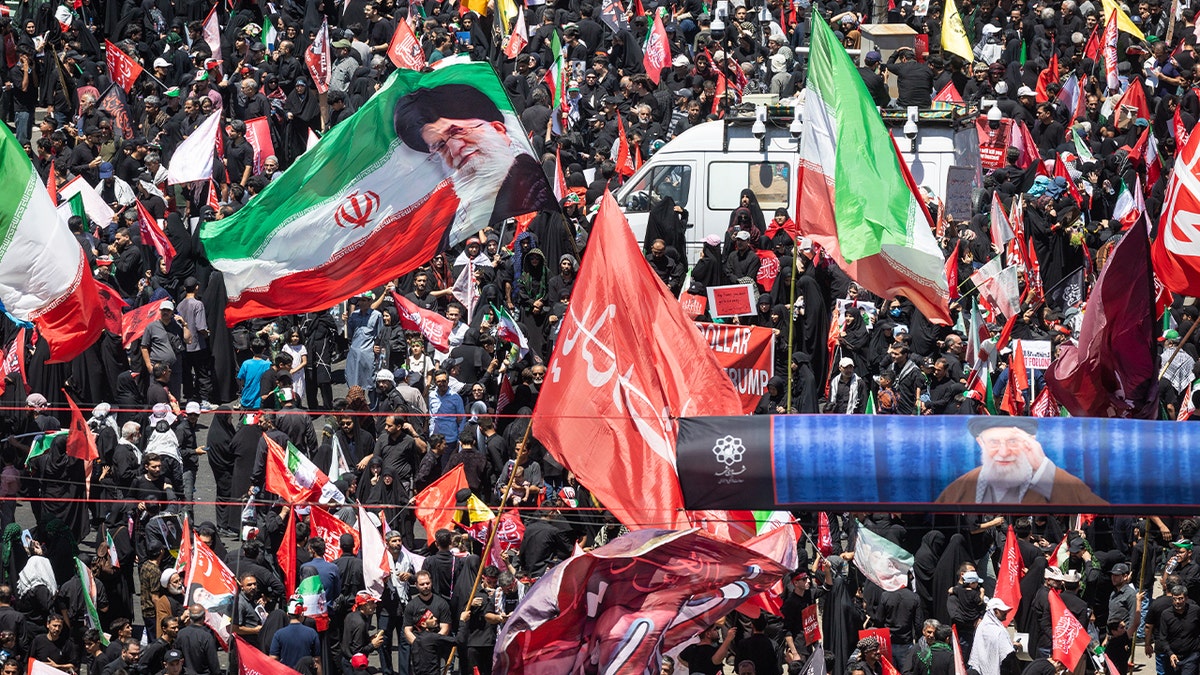
Thousands of mourners await the arrival of the body of Iran’s slain Supreme Leader Ayatollah Ali Khamenei on July 9, 2026, in Mashhad, Iran. (John Moore/Getty Images)
On July 10, the U.N.’s International Maritime Organization called on member states to reject Iran’s attempt to assert unilateral control over transit through the strait, condemning the move as a violation of international law. Iran insists its actions are about maritime safety, not conquest. Washington sees freedom of navigation. Tehran sees leverage. The world sees oil prices and the risk of a wider war.
US CLAWS BACK KEY CONCESSION TO IRAN AFTER FRESH ATTACKS ON COMMERCIAL SHIPS IN STRAIT OF HORMUZ
What end state does Trump want?
Trump’s challenge is not whether to respond. He must. The real question is what end state those responses are supposed to produce. Bombers can destroy radars, launchers, depots and patrol boats, but they cannot by themselves produce a political outcome. That requires a clearly defined end state and the will to impose it.
So, what does Trump want? A non-nuclear Iran? An open Strait of Hormuz? An Iran that no longer threatens Israel, the Gulf states and international commerce? Those are worthy objectives, but they will not be achieved by episodic reaction strikes unless Tehran believes the cost of resistance exceeds the value of endurance.
ROUND ONE OF IRAN FIGHT WENT TO THE US MILITARY. BUT ENDING THINGS IS MUCH HARDER
Trump’s negotiating style is transactional; he understands pressure, leverage, cost and deals. Tehran operates from a different worldview, built on endurance, ideology, sacrifice and time rather than a businessman’s ledger of costs and benefits. When Trump calls Tehran’s calculus irrational, he is mirror imaging, judging Iranian decisions by American logic instead of reading them on Iran’s own terms. It cares about survival, but it does not think like a business counterparty looking for a better bargain.
A regime built on endurance
Tehran has built its identity around resistance, using martyrdom, revolutionary mythology and proxy warfare as instruments of statecraft for decades. During the Iran-Iraq War, young Iranian volunteers were reportedly sent into battle amid a martyrdom culture that included plastic “keys to paradise,” symbols meant to assure them heaven if they died. That history does not mean Iran is irrational.
It means the regime can absorb punishment in ways Americans find hard to understand, and it means we cannot assume it will surrender after another round of strikes.
There is also a darker dimension. The Wall Street Journal reports Israeli intelligence recently warned Washington that Iran had developed a fresh plot to assassinate Trump. Iran has openly vowed revenge for the 2020 killing of Qassem Soleimani. That report deserves caution, but it reminds us this war is no longer abstract for the man making these decisions.
China and Russia are watching
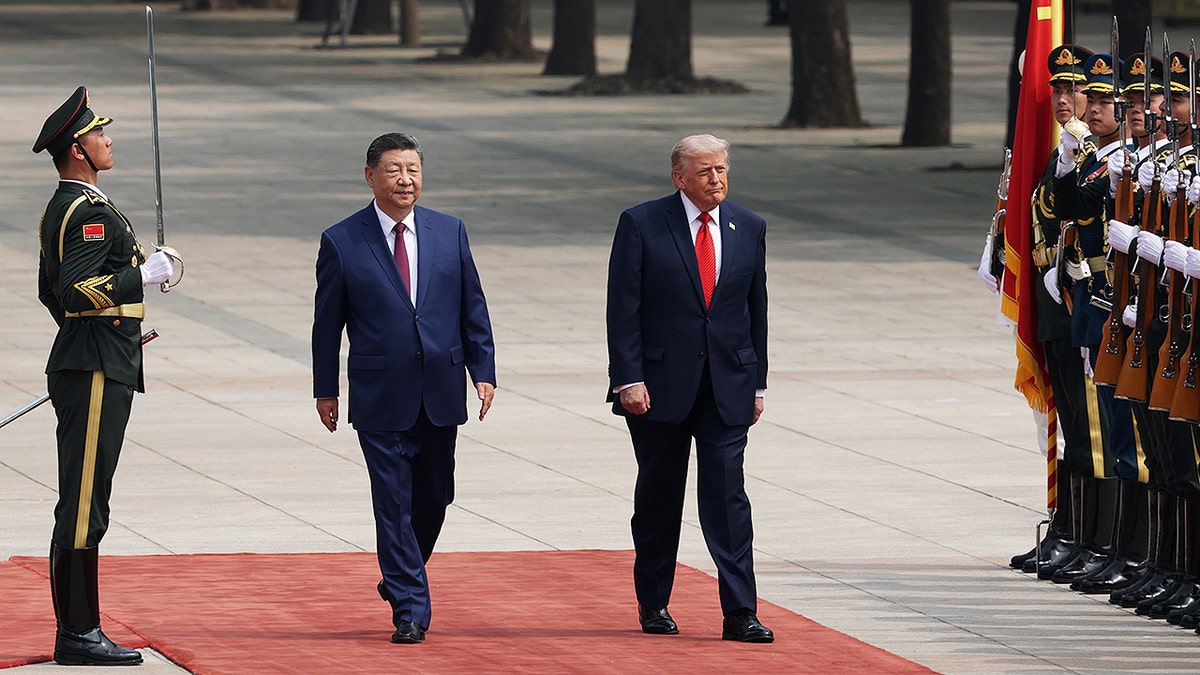
Iran is not an isolated theater. China recently test-launched a long-range ballistic missile with a dummy warhead from a nuclear-powered submarine into the Pacific, signaling that Beijing’s nuclear deterrent no longer rests solely on land-based missiles. That does not make China a co-belligerent in Iran’s war, but China buys roughly 90% of Iran’s oil exports through opaque tanker networks and independent refineries, according to the U.S.-China Economic and Security Review Commission, giving Beijing leverage to blunt sanctions pressure without joining the fight.
Trump’s challenge is not whether to respond. He must. The real question is what end state those responses are supposed to produce.
Russia benefits too when America is distracted in the Middle East. Neither power needs to fight beside Iran to profit; they simply need to watch America stay tied down.
Three paths forward
Trump now has three realistic paths, none of them clean. Tit-for-tat strikes punish Iran and may keep Hormuz partly open, but risk a recurring cycle that manages the crisis without solving the nuclear problem.
He can escalate toward a decisive campaign against the regime’s military, nuclear and command-and-control infrastructure, the only path that ends the threat at its source. But it risks regional war, an oil shock, and pressure for U.S. ground forces, a political risk before the fall election if it appears open-ended.
Or Trump can adopt hard coercive containment: striking Iranian aggression whenever it occurs, keeping Hormuz open through coalition maritime power, enforcing sanctions, arming Israel and Gulf partners, warning Beijing and Moscow against assistance that strengthens Iran’s war machine, and making intrusive nuclear verification the non-negotiable price of any relief. Call it what it is: the endless-war path.
It offers no decisive victory and no clean exit, only a war managed rather than won. It remains the least satisfying option rhetorically but the most defensible strategically: not appeasement, but sustained pressure that punishes Iran, denies it a nuclear weapon, and protects global commerce without an open-ended ground war, provided the president states the end state clearly and holds to it.
The worst choice would be to drift among these options: strike, pause, negotiate, strike again, and declare victory only because no better answer presents itself. That is how wars become traps, and Trump cannot afford it. Americans support force when it serves a clear purpose, and they grow far less patient when Washington seems to be striking because it has no better plan. A president can survive hard decisions. He is less likely to survive strategic confusion.
CLICK HERE FOR MORE FOX NEWS OPINION
That end state should be stated publicly: no Iranian nuclear weapon, no Iranian control over Hormuz, no immunity for attacks on commercial shipping and no sanctions relief without verification. Washington should also warn Beijing and Moscow that helping Iran sustain this war carries its own consequences. This conflict is no longer only about Iran; it is a test of whether America can deter Tehran without inviting China and Russia to exploit its distraction.
CLICK HERE TO DOWNLOAD THE FOX NEWS APP
The issue before Trump is not whether to bomb again. It is whether those bombs serve a strategy. He has shown he is willing to hit Iran. Now he must show the country what outcome those strikes are meant to produce.
If America is going to confront Iran, it must do more than punish the latest provocation. It must define the peace it is trying to impose.
CLICK HERE TO READ MORE FROM ROBERT MAGINNIS