

NEWYou can now listen to Fox News articles!
Albuquerque city leaders are touting the results of a controversial taxpayer-funded guaranteed basic income (GBI) pilot program, asserting that direct, monthly cash injections have significantly stabilized struggling households.
During a Friday press conference, Albuquerque City Councilor Nichole Rogers emphasized that the city is making history by operating one of the few GBI initiatives in the country funded directly via municipal tax dollars. Albuquerque Mayor Tim Keller noted that while the vast majority of similar programs across the United States rely heavily on private philanthropic grants, Albuquerque carved out a different path. The program was entirely financed through the city’s recreational-use cannabis tax and distributed via the Marijuana Equity and Community Reinvestment Fund.
Albuquerque is part of a small but aggressive cohort of municipalities shifting the burden of guaranteed income onto local taxpayers. Austin, Texas, previously made headlines as the first major city in the Lone Star State to commit $1.1 million in taxpayer funds alongside $500,000 in philanthropic donations to bankroll its own pilot program, which has since faced intense state-level challenges.
SOME BLACK NEW YORKERS DEMAND CASH PAYMENTS AS ONLY ‘TRUE FORM OF JUSTICE’
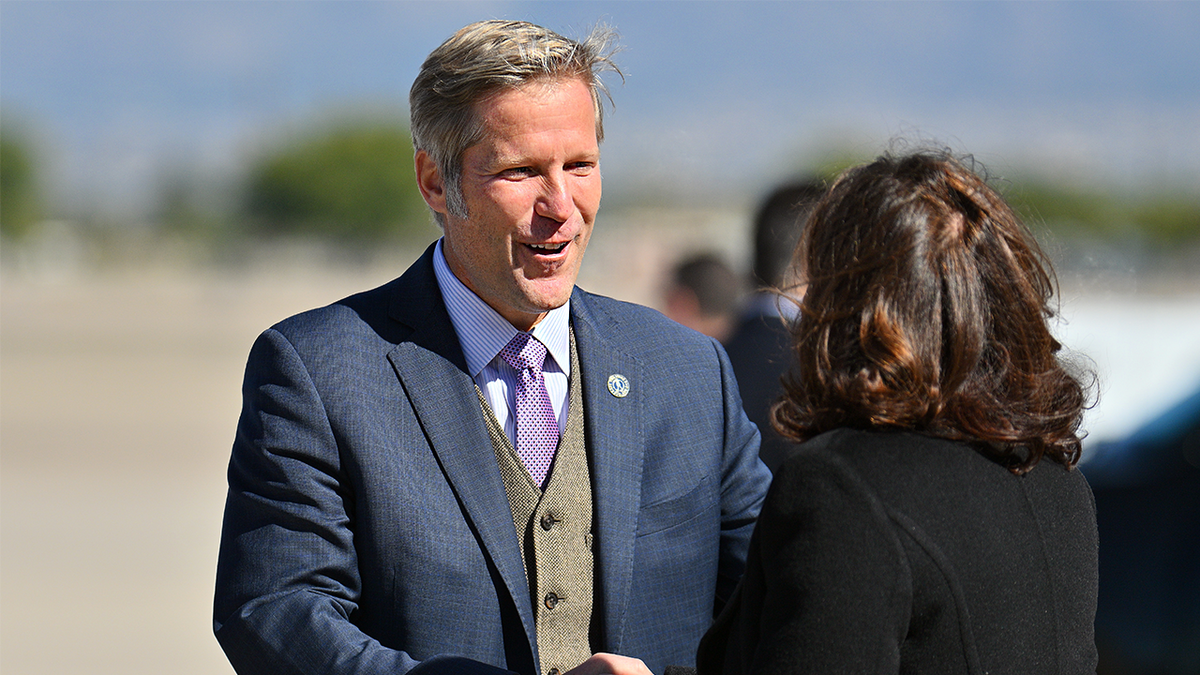
Albuquerque Mayor Tim Keller. (Sam Wasson/Bloomberg via Getty Images)
These local initiatives emerged after Americans in more than 100 cities received localized guaranteed income through private donations and temporary federal American Rescue Plan Act (ARPA) funds. As those federal dollars dried up, mayors in cities like Evanston, Illinois, Newark, New Jersey, and Salem, Massachusetts, pushed to codify these pilots into permanent public policy—following suit with Illinois’ Cook County, which became the first local government to establish a permanent, budget-allocated GBI program.
According to local reports from KRQE News 13, participating families universally expressed a critical need for the cash assistance. Mayor Keller defended the “no-strings-attached” architecture of the program, claiming that traditional government subsidies routinely fail to achieve their goals due to bureaucratic hurdles.
“Instead of telling you what you have to do with funding that we would give you or requiring all sorts of strings to make sure you’re the right person, we say, ‘Here’s a little bit of support, you decide what to do with it; because you know best,'” Keller said.
Keller argued that strict qualification metrics and administrative red tape often alienate the very marginalized communities they are designed to help. Notably, Albuquerque’s pilot featured no baseline income requirements to qualify, though organizers reported that the vast majority of participants earned an annual income of less than $40,000.
Data provided by municipal organizers suggests that giving participants absolute freedom over how they spent the cash yielded quick, measurable upticks in financial health. Specifically, household savings rose by an average of 26% among participants, and 18 individuals successfully moved up into higher credit score tiers. The pilot targeted a specific cohort of 42 young people, many of whom are single mothers, individuals experiencing homelessness, the food-insecure, or formerly incarcerated youth.
DETROIT MOMS RUSHED TO ‘NO STRINGS ATTACHED’ CASH AID PROGRAM TAILORED TO NEW MOTHERS
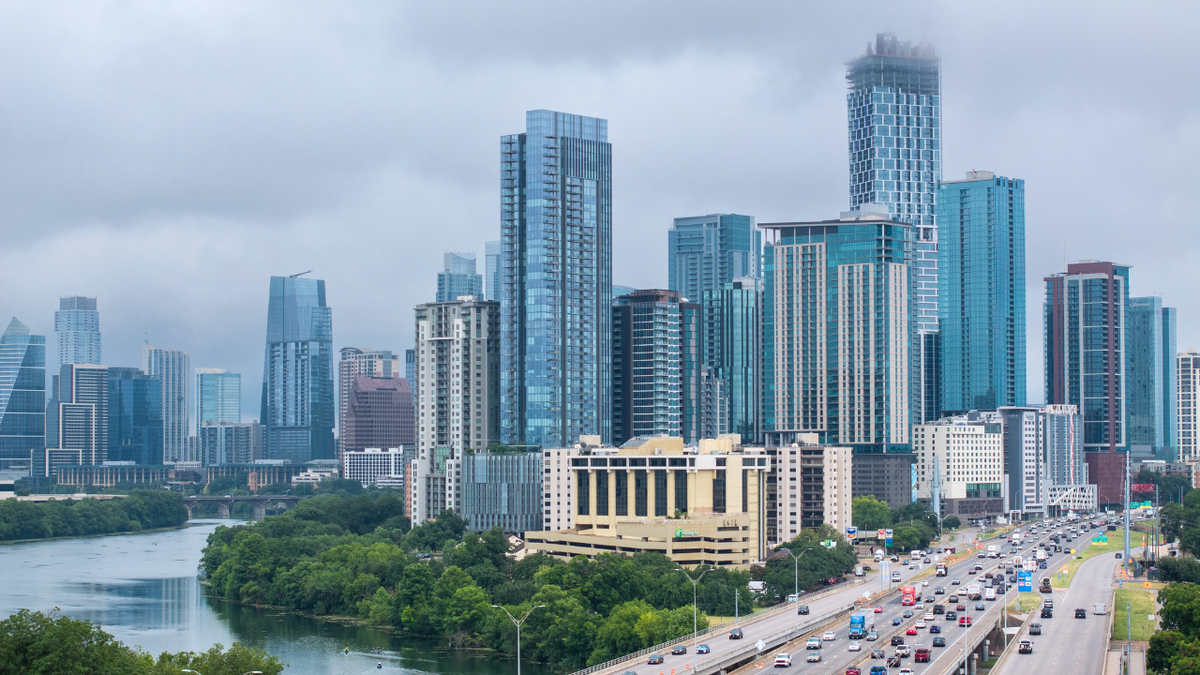
Austin became the first major city in the Lone Star State to fully fund its own guaranteed income pilot, utilizing $1.1 million in taxpayer funds alongside $500,000 in philanthropic donations. (Brandon Bell/Getty Images)
One participant, identified only as Marina, received $750 a month when the program launched a year ago. She stated the unrestricted funds allowed her to directly afford critical healthcare, vision, and dental needs for her children, as well as enrollment fees for youth sports.
Despite local praise, the program faces an uphill battle nationally as conservative lawmakers look to dismantle the GBI model. Critics and free-market think tanks warn that unearned income programs disincentivize labor force participation, exacerbate inflation, and create long-term taxpayer liabilities.
Furthermore, these programs are running into severe legal roadblocks. In Texas, Republican Attorney General Ken Paxton led successful legal challenges against guaranteed income models, arguing that using public tax dollars for direct cash handouts violates state constitutional “gift clauses,” which prohibit the redistribution of public funds to individuals without a direct public return. Similar legislative bans on GBI programs have gained traction in several red states.

Albuquerque, New Mexico is using taxpayer funds for a guaranteed income program and recently provided an update on its results. (GETTY)
Undeterred by the shifting legal landscape, both Rogers and Keller stated they intend to secure recurring municipal funding to transition Albuquerque’s pilot into a permanent fixture of city government.
“This is the work of the government, removing barriers and giving people hope again,” Rogers said.
Albuquerque officials did not respond to Fox News Digital’s request for additional comment regarding the program’s long-term fiscal impact.
CLICK HERE TO GET THE FOX NEWS APP