



NEWYou can now listen to Fox News articles!
A new weight-loss drug variation is showing promise in early trials.
Research from the Institute for Diabetes and Obesity at Helmholtz Munich in Germany, published in the journal Nature, tested an experimental obesity and diabetes drug called GLP-1-GIP-Lani.
The drug combines GLP-1 and GIP — two natural hormones that help regulate appetite and blood sugar, similar to popular weight-loss drugs like Ozempic — with PPAR activity, which may improve insulin sensitivity, inflammation, fat metabolism and liver health.
‘NEXT OZEMPIC’ AIMS TO DELIVER 30% WEIGHT LOSS WITH FEWER SIDE EFFECTS
The team of researchers, led by Professor Timo D. Muller at Helmoltz Munich, called the drug a quintuple agonist, as it targets five receptor systems.
In a press release, Muller described the drug as a “Trojan horse”: the incretin component — hormones that help regulate blood sugar and appetite — allows it to enter target cells, and once inside, the PPAR “cargo” activates to help the body better use insulin, process fat and reduce inflammation.
The researchers hope the “Trojan horse” effect will allow for lower dosing and fewer side effects. (iStock)
This allows for the dosage of the drug to be lower, which could reduce side effects.
“A major advantage is the amount,” Muller said. “Because the second component is not administered separately and systemically, but ‘travels along’ with the incretin part, it can be used at a dose that is orders of magnitude lower.”
NEW WEIGHT-LOSS SHOT SHOWS MAJOR FAT REDUCTION, BUT EXPERTS URGE CAUTION
The study tested the drug combination in mouse models, including mice with diabetes-induced obesity, insulin resistance and genetic obesity.
In these mice, the compound was found to lower body weight, food intake, fat mass, blood sugar and insulin-related problems more than GLP-1 and GIP alone. It also outperformed semaglutide.
CLICK HERE FOR MORE HEALTH STORIES
The researchers reported that typical gastrointestinal side effects were similar to those seen with existing therapies.
“We see a principle with strong effects in the animal model — now the task is to optimize the approach for humans and move it toward the clinic,” Muller said in the release.
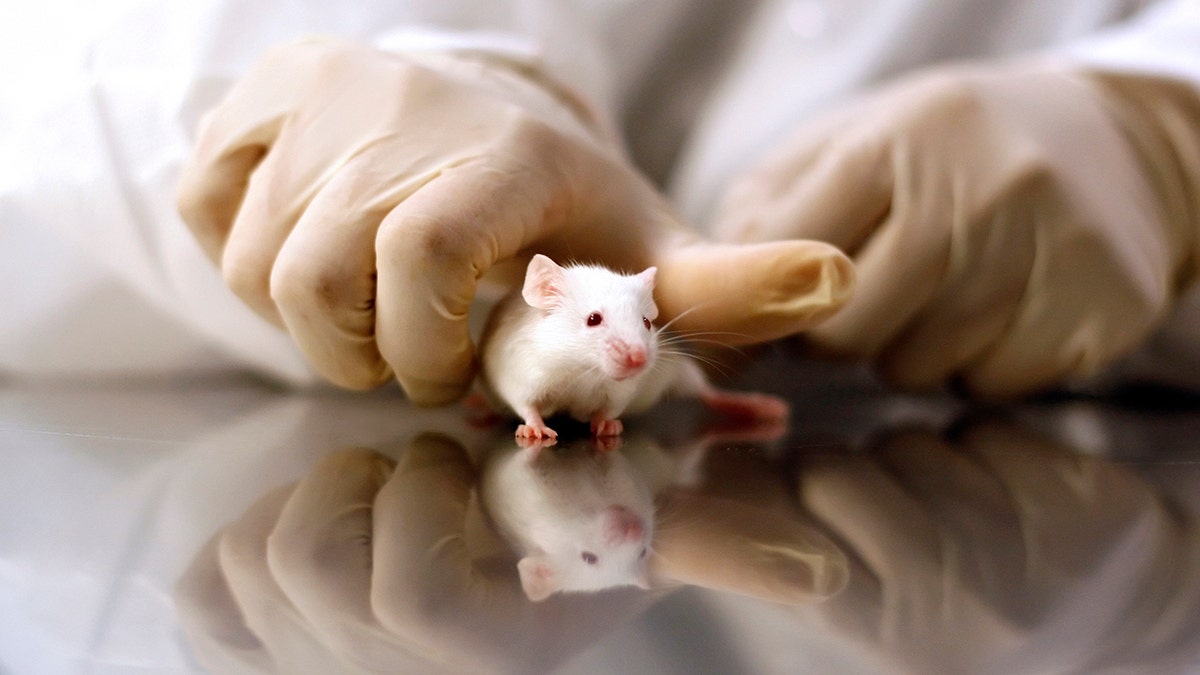
The preclinical study was conducted in mouse models and cannot yet be applied to humans. (iStock)
Dr. Peter Balazs, MD, a hormone and weight-loss specialist practicing in New York and New Jersey, said the drug is designed to target obesity and insulin resistance “at multiple key sites simultaneously, including the brain, pancreas and metabolic tissues.”
CLICK HERE TO SIGN UP FOR OUR HEALTH NEWSLETTER
“This is a novel mechanism because it’s not just relying on a higher dose of an existing drug,” he told Fox News Digital in an interview.
“Current GLP-1 medications are highly effective appetite suppressants, while this quintuple agonist seems to function both as an ‘appetite brake’ and a metabolic engine,” he added.
CLICK HERE TO DOWNLOAD THE FOX NEWS APP
While traditional GLP-1s primarily reduce appetite, slow gastric emptying and increase insulin secretion, this quintuple agonist “appears to do all of the above” while also “directly improving insulin sensitivity in the liver and muscle, reducing inflammation in adipose tissue and remodeling lipid metabolism,” the expert confirmed.
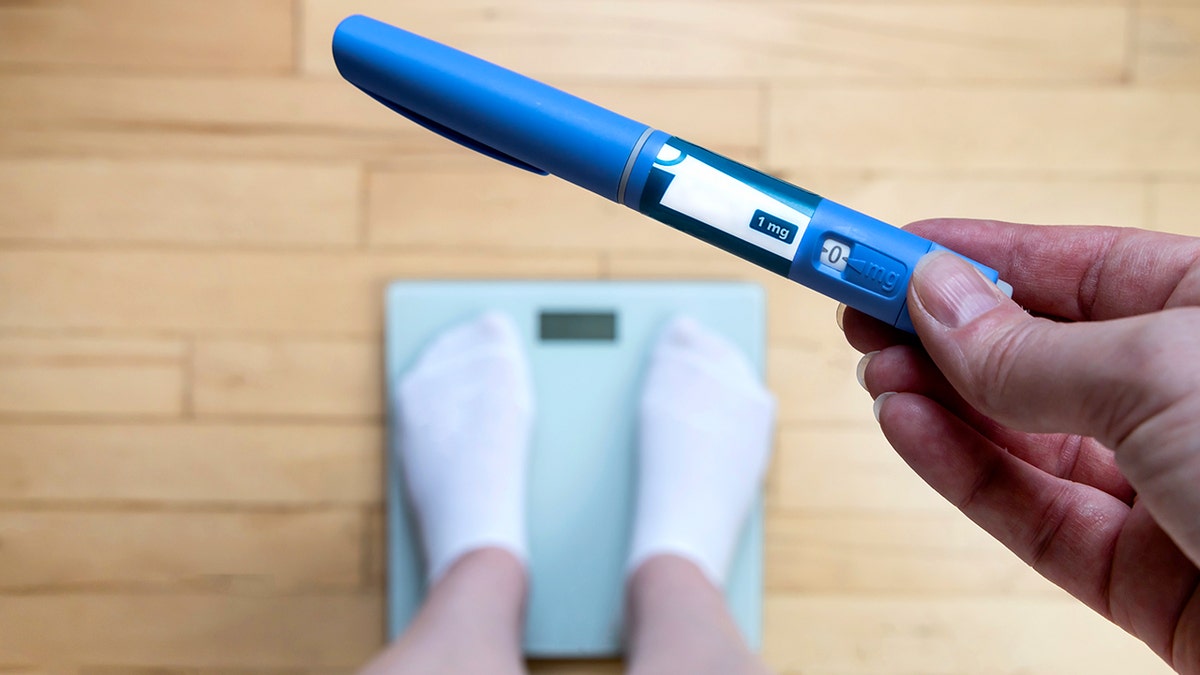
While traditional GLP-1s primarily reduce appetite, slow gastric emptying and increase insulin secretion, this quintuple agonist “appears to do all of the above,” an expert said. (iStock)
“The result may be greater weight loss through a combination of caloric restriction, enhanced fat oxidation and potentially increased central energy expenditure,” Balazs said.
TEST YOURSELF WITH OUR LATEST LIFESTYLE QUIZ
Although the drug provides a “promising direction for the future,” Balazs noted that the study was conducted only on mouse models and there is no human safety or efficacy data, which means the drug cannot yet be recommended for clinical use.
“Additionally, it was conducted over a relatively short period of time, so we cannot draw conclusions about long-term effects,” he added.